
HID FARGO Global UltraCard

The UltraCard is a clean and glossy surface that is receptive to dye, ensuring that your printed images and text have a high quality, photo-like finish. These cards are made of PVC, a durable and versatile material commonly used for ID cards.
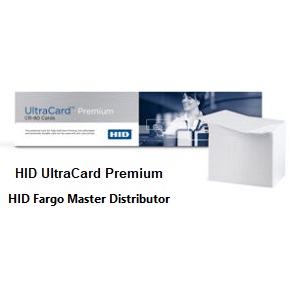
HID FARGO Global UltraCard

Low Price: HID's FARGO Global UltraCard is designed to be cost-effective, making it suitable for a wide range of applications. It provides an affordable solution for producing photo ID cards and loyalty cards without compromising on quality.

Medium Durability: These cards are considered medium-durability, which means they are suitable for applications where the cards may not be subject to heavy wear and tear but still need to maintain a professional appearance.

Extended Print Head Life: The UltraCard is manufactured to ensure that it produces clean, scratch-free cards. This not only results in high-quality prints but also helps extend the life of your card printer's print head, reducing maintenance costs.

  • hid ultracard cr80 noco
  • hid ultracard
  • hid ultracard premium
  • hid ultracard cr-89
  • hid fargo ultracard
  • hid fargo ultracard price
  • hid fargo ultracard review
  • hid fargo ultracard pc
  • hid pvc cards


Comments

Popular posts from this blog

MIFARE Classic cards 1K and 4k

The MIFARE Classic 1K Card is a type of contactless smart card that uses radio frequency identification (RFID) technology to store and transmit data. Here's a breakdown of its key features and functionalities: Technology: Low-frequency (LF) RFID:  Operates at 13.56 MHz, enabling contactless communication between the card and an RFID reader.  Integrated circuit chip: Embedded within the card, this chip stores electronic data. In the case of MIFARE Classic 1K, the storage capacity is 1 Kilobyte (1,024 bytes). Read/write capability:  Data on the card can be read multiple times and potentially updated in some sectors (depending on configuration). MIFARE Classic Specifics: MIFARE Classic is a widely used type of MIFARE card, known for its affordability and compatibility. The 1k designation refers to the data storage capacity of 1 Kilobyte, which is suitable for storing basic information like a unique identifier, access control permissions, or a small amount of prepaid value...

HID iCLASS 213x Embeddable & iCLASS Prox Embedded Card

The HID iCLASS 213x Embeddable & iCLASS Prox Embedded Card is a versatile card that combines two different technologies: iCLASS : This is a 13. 56 MHz contactless smart card technology that provides a high level of security for access control applications. iCLASS cards can store a variety of data, including employee ID numbers, access control rights, and biometric information. Prox : This is a 125 kHz proximity technology that is widely used in access control systems. Prox cards are simpler and less secure than iCLASS cards, but they are also less expensive. The HID iCLASS 213x Embeddable & iCLASS Prox Embedded Card can be used in a variety of applications, including: Access control Network log-on security Cashless vending Time and attendance Biometric verification The card is also thin and lightweight, so it can be easily carried in a wallet or purse. Here are some of the benefits of using the HID iCLASS 213x Embeddable & iCLASS Prox Embedded Card: Security : Th...

How to use a smart card?

Here's a breakdown of how to use a smart card, considering two main scenarios: 1. Using a Smart Card with a Reader: Locate the Reader: The smart card reader is a device you'll interact with to use your smart card. It can be a standalone unit connected to a computer or integrated into another device like an ATM or point-of-sale terminal. Identify the Interface: Most smart cards today are contactless, meaning you only need to hold or wave the card near the designated area on the reader for interaction. Some older cards might require physical insertion into a slot on the reader. Follow Instructions: The specific steps for using your smart card will depend on the application and the reader's interface. Often, on-screen instructions or visual cues on the reader will guide you. Here are some general possibilities: Login: For secure login to a computer or network, you might insert or tap your card and then enter a PIN (Personal Identification Number) displayed on th...